
Introduction
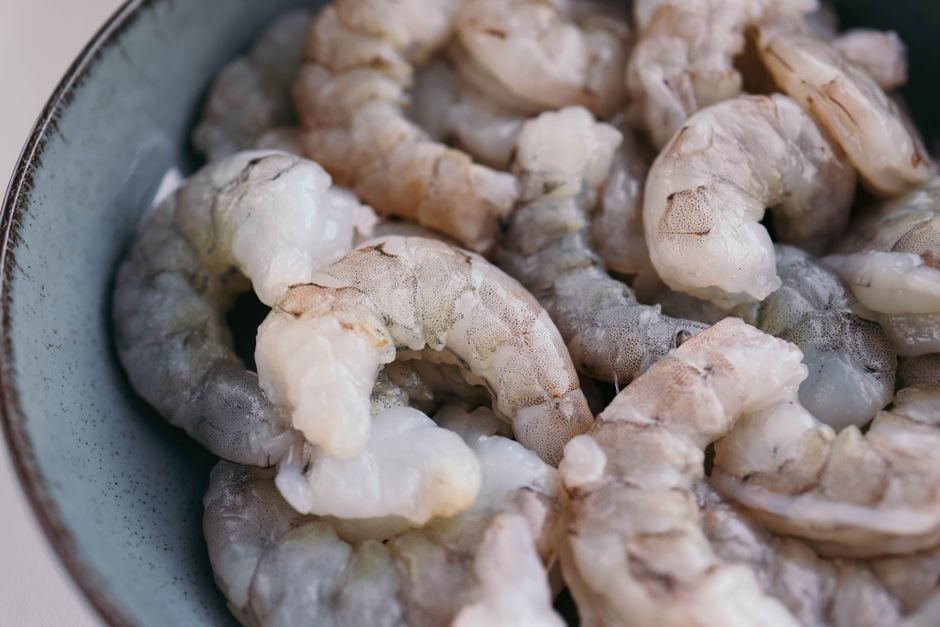
Shrimp is a versatile and delicious seafood enjoyed in countless dishes, from quick stir-fries to elaborate seafood boils. However, most shrimp available in stores is sold frozen, requiring proper thawing before cooking. The way you thaw shrimp can significantly impact its texture, flavor, and most importantly, its safety. Improper thawing can lead to rubbery shrimp, loss of taste, and even bacterial growth. This comprehensive guide will walk you through the various methods on how to thaw shrimp safely and effectively, ensuring your culinary creations are always a success. We will cover everything from the slowest, most reliable methods to quick thawing techniques for when you are short on time, along with crucial food safety considerations to keep in mind.

Whether you are planning a simple weeknight meal or preparing for a special occasion like a seafood boil, understanding the correct thawing process is fundamental. Frozen shrimp offers convenience and a longer shelf life, but it demands attention during its transition from frozen solid to ready-to-cook. Let’s dive into the best practices to achieve perfectly thawed shrimp every time.
Key Points
- Food Safety First: Always prioritize food safety to prevent bacterial growth.
- Texture and Flavor: Proper thawing maintains the shrimp’s delicate texture and natural flavor.
- Multiple Methods: Choose a thawing method based on your time constraints.
- Avoid Room Temperature: Never thaw shrimp at room temperature.
- Pat Dry: Always pat thawed shrimp dry before cooking for best results.
Method 1: The Refrigerator Thaw (Best Method)
Overview
Thawing shrimp in the refrigerator is by far the safest and most recommended method. It requires planning ahead, but it ensures the shrimp thaws slowly and evenly, maintaining its quality and preventing bacterial growth. This method is ideal for those who can anticipate their cooking needs at least 24 hours in advance.
Step-by-Step Guide
- Preparation: Remove the frozen shrimp from its original packaging. If the shrimp is in a vacuum-sealed bag, you can leave it in the bag. If it’s in a loose bag or box, transfer it to a resealable plastic bag or a covered container.
- Placement: Place the shrimp (in its bag or container) on a plate or in a shallow dish to catch any drips. This prevents cross-contamination with other foods in your refrigerator.
- Refrigeration: Place the plate with the shrimp in the coldest part of your refrigerator.
- Thawing Time: Allow approximately 8-12 hours per pound of shrimp for complete thawing. For larger quantities, it might take up to 24 hours.
- Check for Thaw: Once the thawing time has passed, check the shrimp. It should be soft to the touch and pliable. If there are still ice crystals, allow more time.
- Post-Thaw Care: Once thawed, the shrimp should be cooked within 1-2 days.
Advantages
- Safest method, minimizing bacterial risk.
- Preserves the best texture and flavor of the shrimp.
- Requires minimal active effort once set up.
Disadvantages
- Requires significant planning ahead.
- Slowest thawing method.
Method 2: The Cold Water Thaw (Quickest Safe Method)
Overview
If you forgot to plan ahead or need your shrimp thawed quickly, the cold water method is an excellent and safe alternative. This method is much faster than refrigerator thawing but still keeps the shrimp at a safe temperature to inhibit bacterial growth. It’s crucial to use cold water, not warm or hot, to prevent the outer layers from cooking or becoming mushy while the inside remains frozen.
Step-by-Step Guide
- Preparation: Ensure the frozen shrimp is in a watertight, resealable plastic bag. If it’s not pre-packaged this way, transfer it to a heavy-duty freezer bag, squeezing out as much air as possible. This prevents the shrimp from absorbing water and becoming waterlogged.
- Submersion: Place the sealed bag of shrimp in a large bowl or sink filled with cold tap water.
- Water Circulation: To speed up the process and maintain a consistent cold temperature, change the water every 15-30 minutes. Alternatively, you can place the bowl under a very slow stream of cold running water.
- Thawing Time: Shrimp usually thaws in cold water within 30-60 minutes, depending on the quantity and size. Smaller shrimp or smaller quantities will thaw faster.
- Check for Thaw: Gently squeeze the bag to check if the shrimp is fully thawed. It should feel soft and pliable.
- Post-Thaw Care: Cook the shrimp immediately after thawing using this method. Do not refreeze shrimp thawed in cold water.
Advantages
- Much faster than refrigerator thawing.
- Still a safe method when executed correctly.
- Effective for most quantities of shrimp.
Disadvantages
- Requires active attention to change water.
- Must be cooked immediately after thawing.
- Risk of waterlogging if the bag is not sealed properly.
Method 3: Direct Cooking from Frozen (For Specific Dishes)
Overview
In some cases, you can cook shrimp directly from its frozen state, especially for dishes where the shrimp will be cooked thoroughly and quickly. This method is often used for stir-fries, soups, or dishes where the shrimp is added towards the end of the cooking process. While convenient, it’s important to understand that cooking from frozen can sometimes affect the texture, making the shrimp slightly tougher, and it may release more water, diluting sauces.
Step-by-Step Guide
- Preparation: There’s no thawing preparation needed. Remove the frozen shrimp from its packaging.
- Rinse (Optional but Recommended): A quick rinse under cold water can help remove any ice glaze and separate individual shrimp, preventing them from clumping together.
- Cooking Adjustment: When cooking from frozen, you will need to increase the cooking time by approximately 50-100% compared to cooking thawed shrimp.
- Monitoring: Keep a close eye on the shrimp to prevent overcooking. Shrimp is done when it turns opaque and pink.
- Consider the Dish: This method works best for dishes with plenty of liquid or where the shrimp is not the sole focus, such as curries or pasta dishes. Avoid it for delicate preparations where precise texture is paramount.
Advantages
- Most convenient method, no prior thawing required.
- Ideal for last-minute meal preparation.
Disadvantages
- Can result in a tougher texture if not cooked carefully.
- May release excess water into your dish.
- Not suitable for all recipes, especially those requiring delicate cooking.
Methods to Avoid
To ensure food safety and maintain the quality of your shrimp, it’s crucial to avoid certain thawing methods:
- Room Temperature Thawing: Never leave frozen shrimp out on the counter at room temperature. The outer layers will warm up to a dangerous temperature zone (40-140°F or 4-60°C) where bacteria multiply rapidly, long before the inside has thawed.
- Hot Water Thawing: Using hot water will start to cook the shrimp’s outer surface, leading to a rubbery texture and an uneven thaw. It also creates a favorable environment for bacterial growth.
- Microwave Thawing: While some microwaves have a defrost setting, it’s generally not recommended for shrimp. Microwaves tend to cook parts of the shrimp while others remain frozen, resulting in an uneven, rubbery, and unappetizing product.
Post-Thaw Handling and Cooking Tips
Pat Dry for Best Results
Regardless of the thawing method you choose, it’s almost always a good idea to pat your thawed shrimp dry with paper towels before cooking. Excess moisture can prevent browning, dilute flavors, and make the shrimp steam rather than sear. A dry surface allows for better caramelization and a more desirable texture, especially for dishes like garlic butter shrimp or grilled skewers.
Check for Veins and Shells
Most frozen shrimp come peeled and deveined. However, it’s always a good practice to double-check. If your shrimp still has the shell on, remove it after thawing. If it’s not deveined, you can easily do so by making a shallow cut along the outer curve of the shrimp’s back and removing the dark vein. This step can significantly improve the eating experience.
Don’t Overcook
Shrimp cooks very quickly. Whether you are frying, grilling, or adding it to a soup, it only takes a few minutes for shrimp to turn opaque and pink. Overcooked shrimp becomes tough and rubbery, losing its delicate flavor. Remove it from the heat as soon as it’s done.
Seasoning
Once thawed and patted dry, your shrimp is ready for seasoning. A simple sprinkle of salt, pepper, and perhaps some garlic powder or paprika can go a long way. For more elaborate dishes, consider marinades or rubs. If you’re preparing a red snapper alongside your shrimp, remember that different seafoods often benefit from similar flavor profiles, but cooking times will vary.
FAQs
Q1: Can I refreeze thawed shrimp?
A: It depends on the thawing method. Shrimp thawed in the refrigerator can generally be refrozen within 1-2 days, although there might be a slight loss in quality. Shrimp thawed using the cold water method or cooked from frozen should not be refrozen unless it has been cooked first. Always refreeze cooked shrimp as soon as possible after it has cooled.
Q2: How long can thawed shrimp stay in the refrigerator?
A: Shrimp thawed in the refrigerator should be cooked within 1-2 days for optimal freshness and safety. After that, it’s best to discard it.
Q3: What does ‘IQF’ mean on shrimp packaging?
A: IQF stands for ‘Individually Quick Frozen.’ This means each shrimp was frozen separately, preventing them from clumping together in a large block. IQF shrimp is generally easier to portion and thaw.
Q4: My thawed shrimp smells a bit like ammonia. Is it safe to eat?
A: No. A strong ammonia smell is a clear sign that the shrimp has spoiled. Discard it immediately. Fresh shrimp should have a mild, slightly briny smell, or no smell at all.
Q5: Can I thaw shrimp in the microwave on the defrost setting?
A: While technically possible, it is not recommended. Microwave thawing often results in uneven thawing, with some parts cooking and becoming rubbery while others remain frozen. This can significantly compromise the texture and quality of the shrimp.
Q6: Should I thaw shrimp with or without the shell on?
A: You can thaw shrimp either way. If the shells are on, they can offer a bit of protection during thawing. However, it’s generally easier to peel shrimp after it has thawed. If you plan to cook them with the shells on (e.g., for grilling), you can thaw them that way.
Conclusion
Mastering how to thaw shrimp correctly is a fundamental skill for anyone who enjoys cooking with this popular seafood. By understanding the different methods—refrigerator thawing for safety and best quality, cold water thawing for speed, and direct cooking from frozen for convenience in specific dishes—you can confidently prepare shrimp that is both delicious and safe to eat. Always prioritize food safety by avoiding thawing at room temperature or in hot water, and remember to pat your shrimp dry for superior texture and flavor. With these guidelines, you’ll be well-equipped to create perfect shrimp dishes every time, enhancing your culinary repertoire and ensuring happy, healthy meals for yourself and your loved ones.