
Introduction
Welcome to the ultimate guide dedicated to helping you navigate the vast and sometimes overwhelming world of iPhone 14 cases. Your iPhone 14 is a significant investment, a powerful tool for communication, creation, and entertainment. Protecting it from daily wear and tear, accidental drops, and potential damage is paramount. A good case not only safeguards your device but also allows you to express your personal style and enhance its functionality. This guide will walk you through everything you need to know about selecting the best iPhone 14 case for your needs, covering different types, materials, features, and considerations.

Choosing the right case involves more than just picking one that looks good. It requires understanding the level of protection you need, the materials that offer that protection, and any additional features that might enhance your user experience. Whether you’re an adventurer who needs rugged defense, a minimalist who prefers sleek aesthetics, or someone in between, there’s an iPhone 14 case designed specifically for you. We’ll break down the key aspects to consider, ensuring you make an informed decision that keeps your iPhone 14 safe and stylish.
Key Points
Understanding Your Protection Needs
Before diving into specific cases, it’s crucial to assess your lifestyle and how you use your iPhone 14. This will determine the level of protection you require.
- Minimal Protection: If you’re generally careful with your phone, rarely drop it, and primarily use it in low-risk environments (e.g., office, home), a slim, lightweight case offering basic scratch resistance and minor bump protection might suffice. These cases often prioritize aesthetics and a comfortable grip.
- Moderate Protection: For those who face everyday risks like occasional drops, carrying their phone in a bag with keys, or using it in moderately active settings, a case with enhanced drop protection and impact absorption is ideal. These cases typically feature reinforced corners and slightly thicker materials.
- Maximum Protection (Rugged): If your lifestyle involves frequent outdoor activities, demanding work environments (construction, industrial), or if you’re prone to dropping your phone from significant heights, a rugged case is a must. These cases are designed to withstand extreme shocks, drops, dust, and sometimes even water exposure, often at the expense of a bulkier profile.
Types of iPhone 14 Cases
The market for iPhone 14 cases offers a wide variety of styles, each with its own benefits and drawbacks. Understanding these types will help you narrow down your choices.
1. Slim/Thin Cases
These cases are designed to add minimal bulk to your iPhone 14, preserving its original sleek design. They offer basic scratch protection and a slight buffer against minor bumps. They are often made from thin polycarbonate or TPU.
- Pros: Maintains phone’s slim profile, lightweight, often inexpensive, good for aesthetic appeal.
- Cons: Limited drop protection, may not protect against significant impacts.
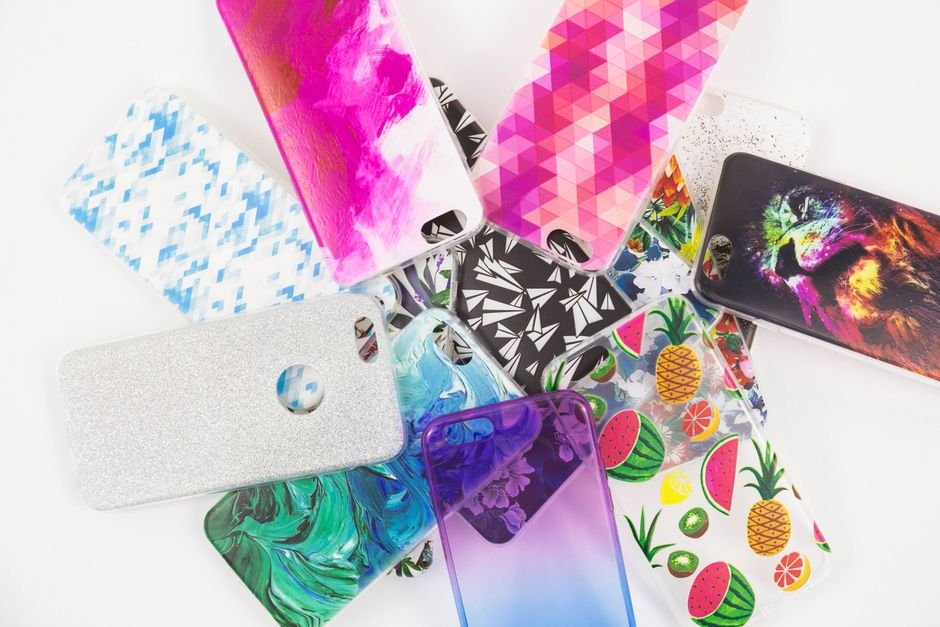
2. Clear Cases
Clear cases are perfect for showcasing the original color and design of your iPhone 14. They come in various protection levels, from ultra-thin to moderately protective. They are typically made from transparent TPU or polycarbonate.
- Pros: Shows off phone’s design, available in different protection levels.
- Cons: Can yellow over time (especially cheaper TPU cases), may show fingerprints easily.
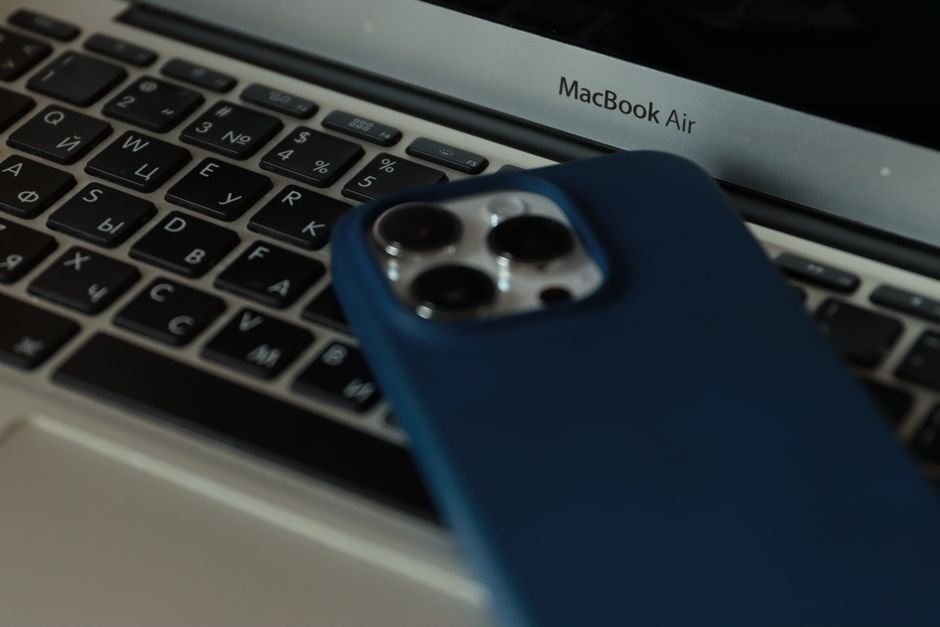
3. Silicone Cases
Soft to the touch and offering a good grip, silicone cases provide decent everyday protection against scratches and minor drops. They are known for their comfortable feel and often come in a wide array of colors.
- Pros: Excellent grip, comfortable feel, good basic protection, wide color selection.
- Cons: Can attract lint and dust, may be difficult to slide into pockets, can tear over time.
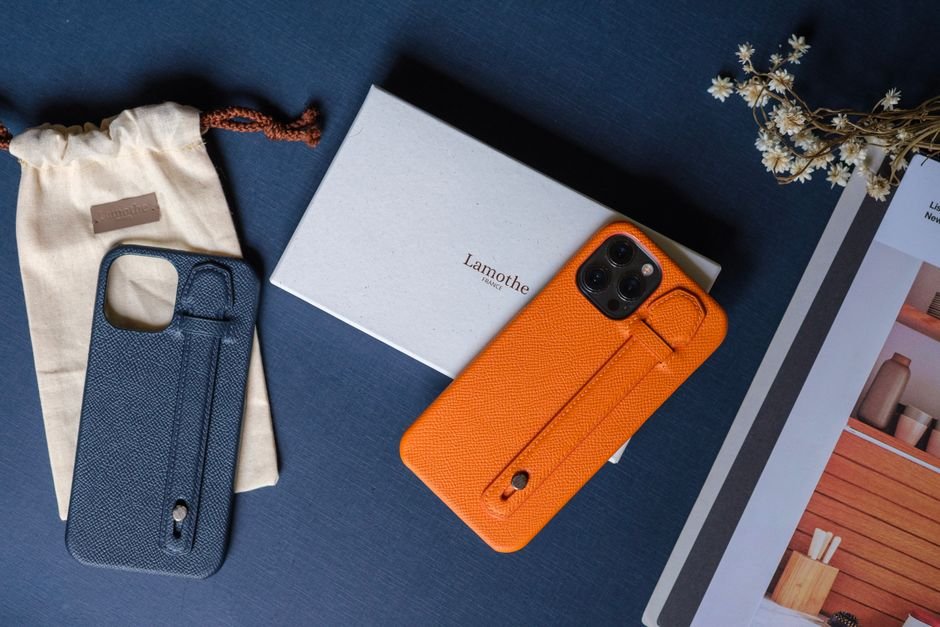
4. Leather Cases
For a premium and sophisticated look, leather cases are a popular choice. They can be made from genuine or synthetic leather and often develop a unique patina over time. They offer moderate protection and a luxurious feel.
- Pros: Premium look and feel, good grip, develops character with age, moderate protection.
- Cons: More expensive, can be prone to scratches and wear, may not offer extreme drop protection.
5. Wallet Cases/Folio Cases
These cases combine phone protection with the functionality of a wallet. They typically have a cover that folds over the screen, often with slots for cards and cash. Some can even double as a kickstand.
- Pros: All-in-one solution (phone and wallet), screen protection when closed, can act as a stand.
- Cons: Adds significant bulk, can be inconvenient for quick phone access, if lost, you lose both phone and wallet contents.
6. Rugged/Heavy-Duty Cases
Designed for maximum protection, these cases are built to withstand severe drops, impacts, and harsh environments. They often feature multiple layers of materials, reinforced corners, and raised bezels.
- Pros: Superior drop protection, dust and shock resistance, ideal for active lifestyles.
- Cons: Bulky, heavier, can sometimes interfere with wireless charging or accessories.
7. Battery Cases
These cases integrate an external battery to extend your iPhone 14’s battery life. They are useful for heavy users or those who are often away from charging points.
- Pros: Extends battery life significantly, provides some protection.
- Cons: Very bulky and heavy, more expensive, can sometimes overheat.
8. MagSafe Cases
With the iPhone 14, MagSafe compatibility is a key feature. MagSafe cases have built-in magnets that align perfectly with your iPhone 14, allowing for seamless attachment of MagSafe chargers, wallets, and other accessories. Many case types (clear, silicone, leather, etc.) are now available with MagSafe integration.
- Pros: Full MagSafe functionality, secure attachment for accessories, often offers good protection.
- Cons: Can be slightly more expensive than non-MagSafe versions, magnetic ring might be visible on some clear cases.
Materials Used in iPhone 14 Cases
The material of an iPhone 14 case plays a crucial role in its protection, feel, and durability.
- TPU (Thermoplastic Polyurethane): A flexible, durable, and shock-absorbent plastic. It’s common in clear and slim cases.
- Polycarbonate (PC): A rigid and tough plastic, often used as the outer shell for hybrid and rugged cases. It offers good impact resistance.
- Silicone: Soft, grippy, and provides good shock absorption. Known for its smooth, matte finish.
- Leather (Genuine/Synthetic): Offers a premium feel and aesthetic. Genuine leather develops a unique patina.
- Aramid Fiber (Kevlar): Extremely strong and lightweight, often used in high-end, slim, and protective cases.
- Glass: Sometimes used in the back panel of clear cases to prevent yellowing, but can be more fragile than plastic.
- Wood: Offers a unique, natural aesthetic. Often combined with other materials for better protection.
Features to Look For
Beyond the basic protection, consider these additional features when choosing your iPhone 14 case:
- MagSafe Compatibility: Essential if you use MagSafe accessories like chargers, wallets, or car mounts. Ensure the case has integrated MagSafe magnets for optimal performance.
- Raised Bezels: A raised edge around the screen and camera module helps protect them from direct impact when the phone is laid flat or dropped.
- Button Covers: Good cases have responsive button covers that protect the power and volume buttons while maintaining tactile feedback.
- Port Cutouts: Precise cutouts for the charging port, speakers, and mute switch ensure full functionality without removing the case.
- Grip: Textured sides or a non-slip finish can prevent accidental drops.
- Kickstand: Useful for hands-free viewing of videos or video calls. Often found in wallet or rugged cases.
- Antimicrobial Properties: Some cases incorporate materials that inhibit bacterial growth, keeping your phone cleaner.
- Eco-Friendly Materials: A growing number of brands offer cases made from recycled or biodegradable materials for environmentally conscious consumers.
Installation and Maintenance
Proper installation and care can extend the life of your iPhone 14 case and ensure it provides optimal protection.
Installation Steps:
- Clean Your iPhone: Before putting on a new case, ensure your iPhone 14 is clean and free of dust and debris. Use a microfiber cloth for best results.
- Align Carefully: Gently slide your iPhone into the case, ensuring all buttons and ports align correctly with the case’s cutouts.
- Press Firmly: Apply even pressure around the edges to ensure the phone is securely seated in the case.
- Check Functionality: Verify that all buttons are responsive and that the charging port and speakers are unobstructed.
Maintenance Tips:
- Regular Cleaning: Clean your case regularly with a damp cloth and mild soap (if material allows) to remove dirt, oils, and grime.
- Avoid Harsh Chemicals: Do not use abrasive cleaners or harsh chemicals, as they can damage the case material or finish.
- Inspect for Wear: Periodically check your case for cracks, tears, or excessive wear. A damaged case may not offer adequate protection.
- Prevent Yellowing (for clear cases): While some clear cases are more resistant, prolonged exposure to UV light can cause yellowing. Keep your phone out of direct sunlight when possible.
Making the Final Decision
With so many options available, choosing the perfect iPhone 14 case might still feel daunting. Here’s a quick checklist to guide your final decision:
- Protection Level: Based on your lifestyle, what level of protection do you truly need? (Minimal, Moderate, Rugged)
- Style & Aesthetics: Do you prefer a sleek look, vibrant colors, or a premium texture?
- Material: Which material best suits your preferences for grip, feel, and durability?
- Features: Do you need MagSafe compatibility, a kickstand, or wallet functionality?
- Budget: Cases range widely in price. Determine how much you’re willing to spend.
- Brand Reputation: Consider reputable brands known for quality and customer service.
- Reviews: Read reviews from other users to get insights into real-world performance and durability.
Remember, the best case is one that fits your personal needs and preferences perfectly. Don’t rush the decision, and consider purchasing from retailers with good return policies if you’re unsure.
FAQs
Q1: Are all iPhone 14 cases MagSafe compatible?
A1: No, not all iPhone 14 cases are MagSafe compatible. For a case to be MagSafe compatible, it must have a built-in ring of magnets that aligns precisely with the iPhone’s MagSafe system. While many newer cases are designed with MagSafe in mind, always check the product description to confirm this feature if it’s important to you. Using a MagSafe accessory with a non-MagSafe case might result in a weaker magnetic connection or no connection at all.
Q2: Will an iPhone 13 case fit an iPhone 14?
A2: No, an iPhone 13 case will not fit an iPhone 14. Although the two phones share a similar design aesthetic, there are subtle differences in dimensions and camera bump size between the iPhone 13 and iPhone 14. These small variations mean that a case designed specifically for the iPhone 13 will not offer a perfect fit or proper camera alignment for the iPhone 14, potentially compromising protection and usability. Always ensure you purchase a case specifically labeled for the iPhone 14.
Q3: Do clear cases yellow over time?
A3: Many clear cases, especially those made primarily of TPU (Thermoplastic Polyurethane), can yellow over time due to exposure to UV light and oils from your skin. However, advancements in material science have led to clear cases made from higher-quality TPU blends or polycarbonate, which are more resistant to yellowing. Some premium clear cases also incorporate anti-yellowing coatings. If you want to maintain a crystal-clear look, look for cases specifically advertised as ‘anti-yellowing’ or made from polycarbonate.
Q4: How important are raised bezels on an iPhone 14 case?
A4: Raised bezels are very important for protecting your iPhone 14’s screen and camera lenses. A raised bezel around the screen prevents the display from touching flat surfaces when the phone is placed face down, reducing the risk of scratches. Similarly, a raised lip around the camera module protects the lenses from direct contact and potential damage when the phone is laid on its back. This feature provides an extra layer of defense against everyday wear and accidental drops.
Q5: Can I wirelessly charge my iPhone 14 with a case on?
A5: Yes, most iPhone 14 cases are designed to be compatible with wireless charging (Qi charging) and MagSafe charging. However, extremely thick or rugged cases, especially those with metal components or very large battery packs, might interfere with wireless charging. If wireless charging is a priority, look for cases that explicitly state wireless charging compatibility and avoid excessively bulky designs. For MagSafe charging, ensure the case itself is MagSafe compatible for the best experience.
Conclusion
Selecting the right iPhone 14 case is a crucial step in safeguarding your valuable device and personalizing your mobile experience. By understanding your protection needs, exploring the various types of cases and their materials, and considering essential features like MagSafe compatibility and raised bezels, you can make an informed decision. Whether you prioritize rugged defense, sleek aesthetics, or multifunctionality, there’s a perfect case out there for your iPhone 14.
Remember to consider your daily routine, potential risks, and personal style when making your choice. A well-chosen case not only protects your investment from scratches, drops, and impacts but also enhances your interaction with your iPhone 14. Take your time, compare options, and invest in a case that truly meets your demands and keeps your device safe and stylish for years to come. For more detailed guides on protecting your Apple devices, you might also be interested in exploring articles like The Ultimate Guide to iPhone 15 Cases or Choosing the Best iPhone Air Cases: A Comprehensive Guide, which cover similar considerations for other models.