
Introduction
In today’s fast-paced world, our smartphones have become indispensable tools, integral to our daily lives. Among these, the iPhone Air stands out as a marvel of engineering, combining sleek design with powerful performance. However, with its delicate construction and premium price tag, protecting your iPhone Air from the inevitable bumps, drops, and scratches of everyday use is paramount. This is where iPhone Air cases come into play. Far from being mere accessories, these cases are essential guardians, offering a crucial layer of defense against damage while also allowing for personal expression through a myriad of styles and functionalities.

This comprehensive guide delves deep into the world of iPhone Air cases, providing you with all the information you need to make an informed decision. We’ll explore the various types of cases available, discuss the materials they’re made from, highlight key features to consider, and offer practical advice on how to choose the perfect case that aligns with your lifestyle and protection needs. Whether you’re seeking maximum ruggedness, minimalist elegance, or a blend of both, this guide will equip you with the knowledge to navigate the vast market of iPhone Air cases and find your ideal match.
Key Points
Understanding Your iPhone Air’s Vulnerabilities
Before diving into the types of cases, it’s crucial to understand what you’re protecting your iPhone Air from. The most common threats include:
- Drops and Impacts: Accidental falls are a leading cause of smartphone damage, leading to cracked screens, dented corners, and internal component failures.
- Scratches and Abrasions: Keys, coins, and rough surfaces can easily mar the pristine finish of your iPhone Air, particularly the screen and back glass.
- Dust and Debris: Tiny particles can ingress into ports and buttons, potentially causing malfunctions over time.
- Water and Liquid Damage: While newer iPhones offer some water resistance, prolonged exposure or submersion can still be catastrophic.
- Everyday Wear and Tear: Even careful handling can lead to minor scuffs and fading over time.
Recognizing these vulnerabilities will help you prioritize the features you need in an iPhone Air case.
Types of iPhone Air Cases
The market for iPhone Air cases is incredibly diverse, offering a solution for every need and preference. Here’s a breakdown of the most common types:
1. Slim/Minimalist Cases
These cases are designed for users who prioritize the iPhone Air’s original form factor and aesthetics. They offer basic scratch protection and a slight buffer against minor impacts, without adding significant bulk. They are typically made from thin polycarbonate or TPU.
- Pros: Maintain the phone’s slim profile, lightweight, often inexpensive.
- Cons: Limited drop protection, may not cover the screen effectively.
- Best for: Users who are careful with their phone and prefer minimalist design.
2. Hybrid Cases
Hybrid cases combine different materials, often a hard polycarbonate back with a softer TPU bumper. This combination aims to offer a balance between protection and slimness, with the soft bumper absorbing shock and the hard back preventing scratches and impacts.
- Pros: Good balance of protection and slimness, often feature enhanced grip.
- Cons: Can be slightly bulkier than minimalist cases.
- Best for: Everyday users seeking reliable protection without excessive bulk.
3. Rugged/Heavy-Duty Cases
For those who need maximum protection, rugged cases are the answer. These are built to withstand significant drops, impacts, and often feature multi-layered construction, reinforced corners, and dust/port covers. Materials typically include hard plastics, silicone, and sometimes even metal.
- Pros: Superior drop protection, often include screen protectors and port covers, ideal for active lifestyles.
- Cons: Significantly bulky, can alter the phone’s aesthetics, and may make wireless charging less efficient.
- Best for: Outdoor enthusiasts, construction workers, or anyone prone to dropping their phone.
4. Wallet Cases/Folio Cases
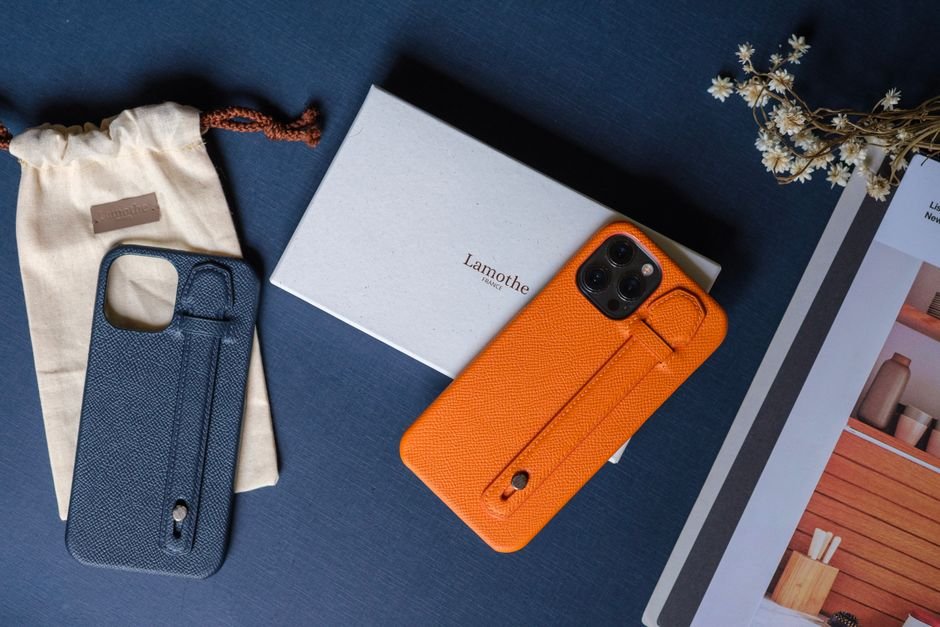
These cases offer dual functionality, combining phone protection with storage for cards and cash. They typically feature a flip-cover design that also protects the screen when closed. Materials often include leather, synthetic leather, or fabric.
- Pros: Consolidates phone and wallet, screen protection, can double as a stand.
- Cons: Adds considerable bulk, can be inconvenient for quick phone access, may interfere with wireless charging.
- Best for: Users who want to carry fewer items and prefer an all-in-one solution.
5. Clear Cases
Clear cases are designed to showcase the iPhone Air’s original design and color. They are typically made from transparent TPU or polycarbonate. While offering basic protection, their primary appeal is aesthetic.
- Pros: Preserves the phone’s original look, lightweight.
- Cons: Can yellow over time (especially TPU), basic protection.
- Best for: Users who love the iPhone’s design and want minimal interference.
6. Battery Cases
These cases integrate an external battery, providing extended power to your iPhone Air. They are often bulky but offer the invaluable benefit of longer battery life.
- Pros: Significantly extends battery life, offers protection.
- Cons: Very bulky and heavy, can be expensive.
- Best for: Heavy users, travelers, or those who frequently run out of battery.
Materials Used in iPhone Air Cases
The material of an iPhone Air case significantly impacts its protective qualities, feel, and aesthetics:
- TPU (Thermoplastic Polyurethane): A flexible, rubber-like plastic that offers good shock absorption and grip. It’s affordable and widely used in hybrid and clear cases.
- Polycarbonate (PC): A hard, rigid plastic that provides excellent scratch resistance and impact protection. Often used for the backplate of hybrid cases or in hard-shell designs.
- Silicone: Soft, flexible, and provides excellent grip. Offers good shock absorption but can attract lint and dust.
- Leather (Genuine/Synthetic): Used in wallet and folio cases, offering a premium look and feel. Genuine leather ages gracefully, while synthetic options are more affordable.
- Metal (Aluminum/Alloy): Found in some rugged cases for ultimate protection, but can add significant weight and potentially interfere with wireless signals.
- Wood: Offers a unique, natural aesthetic, often combined with other materials for better protection.
Key Features to Consider
When selecting your iPhone Air cases, consider these important features:
- Drop Protection: Look for cases with raised bezels around the screen and camera, reinforced corners, and shock-absorbing materials.
- Grip: A good grip prevents accidental drops. Textured surfaces or softer materials like TPU and silicone enhance grip.
- Button Accessibility: Ensure the case allows for easy and responsive use of all buttons.
- Port Access: Check that charging ports, speakers, and microphones are easily accessible and not obstructed. Some rugged cases include hinged covers for ports to keep out dust and debris.
- Wireless Charging Compatibility: Most modern cases are compatible with wireless charging, but very thick or metal-containing cases might interfere.
- MagSafe Compatibility: For newer iPhone Air models, look for cases with integrated MagSafe magnets if you use MagSafe accessories.
- Screen Protection: While some cases include built-in screen protectors, many rely on raised edges to protect the screen when placed face down. Consider adding a tempered glass screen protector for comprehensive screen protection.
- Camera Protection: A raised lip around the camera module is crucial to prevent scratches to the lenses when the phone is laid flat.
- Design and Aesthetics: Beyond protection, choose a case that reflects your personal style.
- Brand Reputation: Reputable brands often offer better quality, warranty, and customer support.
Choosing the Right Case for Your Lifestyle
Your lifestyle plays a significant role in determining the ideal iPhone Air case:
- The Office Professional: A slim, elegant leather or minimalist case that complements a professional environment. Focus on aesthetics and basic scratch protection.
- The Adventurer/Outdoor Enthusiast: A rugged, heavy-duty case with superior drop, dust, and water resistance. Prioritize maximum protection.
- The Busy Parent: A hybrid or rugged case that can withstand frequent drops and spills. Look for good grip and easy-to-clean materials.
- The Student: A balance of protection and style, possibly a wallet case for convenience. Durability and affordability are key.
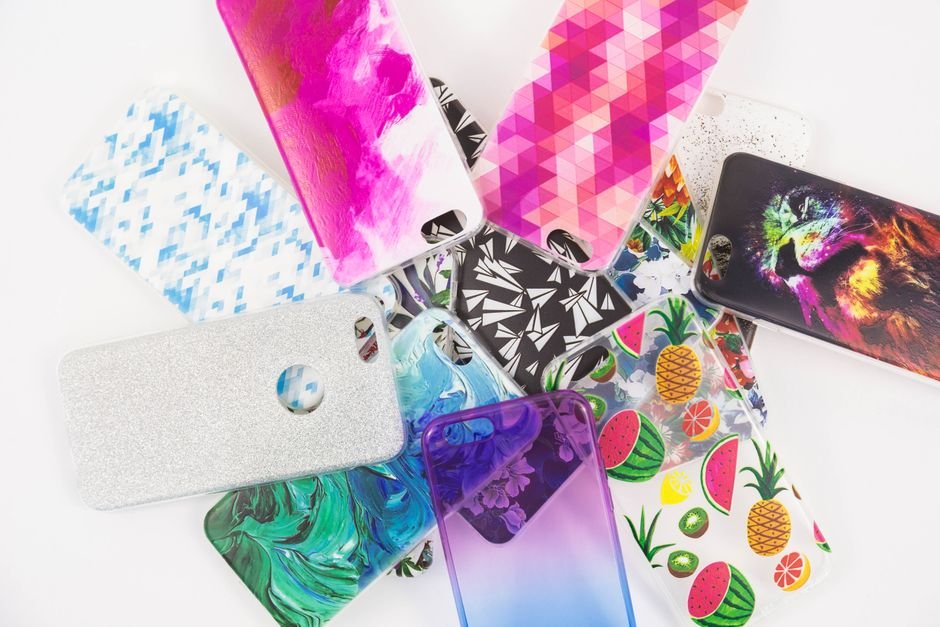
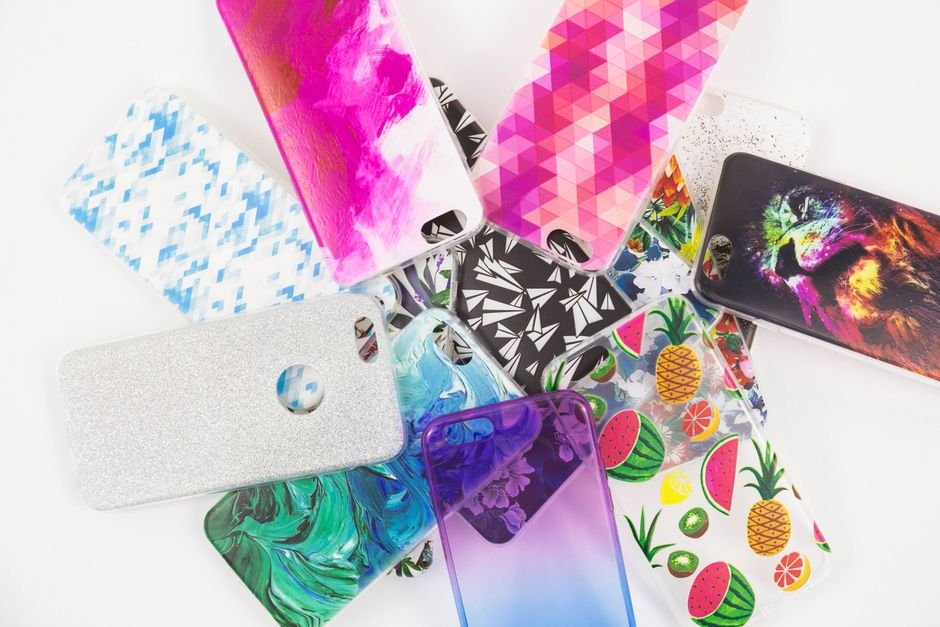
- The Fashion-Conscious User: A clear case to show off the iPhone’s design, or a case with a unique pattern or color that matches personal style.
Installation and Maintenance
Installing most iPhone Air cases is straightforward. Simply align your phone and snap it into place. For more complex rugged cases, follow the manufacturer’s instructions carefully. To maintain your case, regularly wipe it down with a damp cloth to remove dirt and grime. For clear cases, avoid harsh chemicals that can cause yellowing. Some cases, especially silicone ones, can be washed with mild soap and water.
FAQs
Here are some frequently asked questions about iPhone Air cases:
Q1: Do I really need an iPhone Air case?
A: While the iPhone Air is beautifully designed, it’s also a delicate and expensive device. A case provides essential protection against drops, scratches, and everyday wear and tear, significantly extending its lifespan and preserving its resale value. It’s a small investment for peace of mind.
Q2: Will a case interfere with wireless charging or MagSafe?
A: Most modern cases are designed to be compatible with wireless charging. However, very thick cases (especially rugged ones) or those with metal components might interfere. For MagSafe, look for cases specifically labeled as ‘MagSafe compatible’ or with integrated MagSafe magnets to ensure optimal performance with MagSafe accessories.
Q3: How much protection do clear cases offer?
A: Clear cases typically offer basic protection against scratches and minor bumps. They are generally not designed for heavy-duty drop protection. If you prioritize showcasing your iPhone’s design and need more robust protection, consider a clear hybrid case with reinforced bumpers.
Q4: Are expensive cases always better?
A: Not necessarily. While premium brands often use high-quality materials and offer excellent design, many affordable cases provide perfectly adequate protection. Focus on the features and materials that meet your specific needs rather than just the price tag. Read reviews and compare options.
Q5: How do I clean my iPhone Air case?
A: For most silicone, TPU, or plastic cases, a damp cloth with mild soap and water is sufficient. Avoid abrasive cleaners or harsh chemicals, especially on clear or colored cases, as they can cause discoloration or damage. Leather cases require specific leather cleaners or conditioners.
Q6: Should I get a screen protector with my case?
A: Yes, absolutely. While many cases offer a raised bezel to protect the screen when laid face down, a tempered glass screen protector provides direct protection against scratches, cracks, and impacts to the screen itself. It’s a crucial additional layer of defense for your iPhone Air’s most vulnerable component.
Conclusion
Choosing the right iPhone Air cases is a decision that balances protection, style, and functionality. With the vast array of options available, from ultra-slim minimalist designs to heavy-duty rugged armor, there’s a perfect case out there for every iPhone Air user. By understanding the different types of cases, the materials they’re made from, and the key features to consider, you can confidently select a case that not only safeguards your valuable device but also complements your personal style and lifestyle.
Remember, your iPhone Air is an investment. Protecting it with a well-chosen case is a smart decision that will ensure its longevity, maintain its pristine condition, and provide you with peace of mind. Take your time, weigh your options, and make an informed choice that will keep your iPhone Air safe and stylish for years to come. For those looking at future iPhone models, understanding these principles will also be key to choosing the best iPhone 17 Pro Max cases when the time comes.