
Introduction
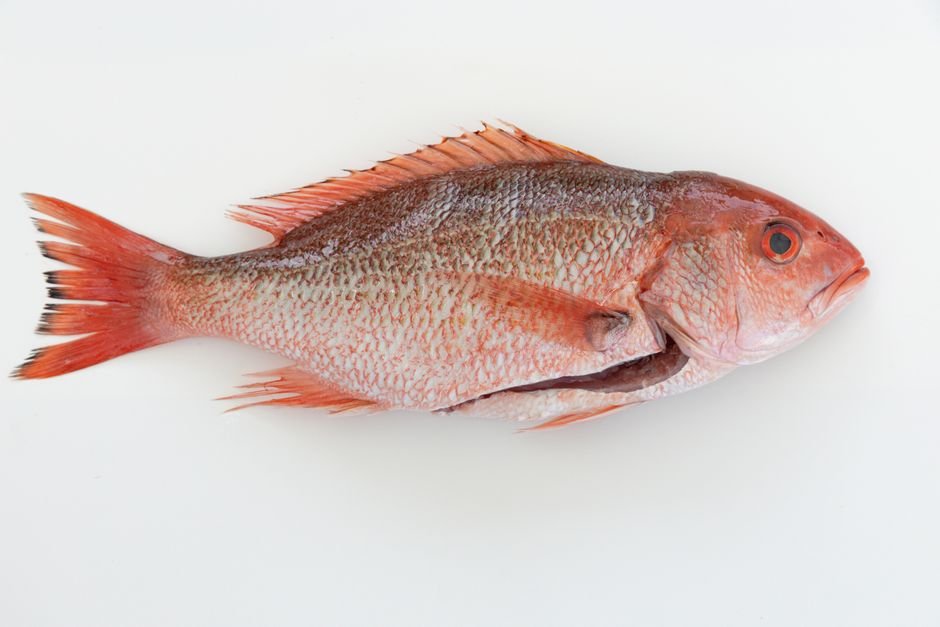
Red snapper is a highly prized fish known for its firm, flaky, white flesh and sweet, mild flavor. It’s a versatile fish that can be cooked in numerous ways, making it a favorite among home cooks and professional chefs alike. Whether you’re planning a special dinner or simply looking for a healthy and delicious meal, learning how to cook red snapper properly is a valuable skill. This comprehensive guide will walk you through everything you need to know, from selecting the freshest fish to mastering various cooking techniques, ensuring a perfect result every time.

Preparing red snapper doesn’t have to be intimidating. With a few simple tips and techniques, you can transform this beautiful fish into a culinary masterpiece. We’ll cover grilling, baking, pan-searing, and even whole-fish preparation, providing detailed, step-by-step instructions to ensure your success. So, roll up your sleeves, gather your ingredients, and get ready to impress your taste buds with perfectly cooked red snapper.
Key Points
Choosing and Preparing Your Red Snapper
The first step to a delicious red snapper dish is selecting a fresh, high-quality fish. Here’s what to look for:
- Eyes: Should be clear, bright, and bulging, not cloudy or sunken.
- Gills: Should be bright red, not brown or slimy.
- Skin: Should be shiny, vibrant, and firm, with scales intact. Avoid fish with dull, discolored, or damaged skin.
- Smell: Should have a fresh, mild, ocean-like scent, not a strong, fishy odor.
- Flesh: Should be firm and spring back when gently pressed.
Once you’ve chosen your fish, proper preparation is crucial:
- Scaling: If your fish is not already scaled, use a fish scaler or the back of a knife to remove scales by scraping against the grain, from tail to head. Do this under running water or in a sink to minimize mess.
- Gutting: Make a shallow incision along the belly from the anal fin to the gills. Carefully remove all internal organs. Rinse the cavity thoroughly under cold water to remove any blood or debris.
- Rinsing: Rinse the entire fish inside and out under cold running water.
- Pat Dry: Pat the fish completely dry with paper towels. Excess moisture can prevent browning and crisping during cooking.
Cooking Methods for Red Snapper
Red snapper’s versatility shines through the many ways it can be cooked. Here are some of the most popular and effective methods:
1. Grilling Red Snapper
Grilling imparts a wonderful smoky flavor and a beautiful char to red snapper. This method is excellent for fillets or whole fish.
Grilled Red Snapper Fillets
- Prepare the Fillets: Pat red snapper fillets dry. Brush lightly with olive oil and season generously with salt, black pepper, and your favorite herbs (e.g., thyme, rosemary, dill). You can also add a squeeze of lemon juice.
- Preheat Grill: Preheat your grill to medium-high heat (around 400-450°F or 200-230°C). Clean the grates thoroughly and oil them to prevent sticking.
- Grill the Fish: Place the fillets skin-side down on the hot grill. Cook for 3-5 minutes per side, depending on thickness. The fish is done when it flakes easily with a fork and reaches an internal temperature of 145°F (63°C).
- Serve: Garnish with fresh lemon wedges and chopped parsley.
Grilled Whole Red Snapper
- Prepare the Whole Fish: Make 2-3 diagonal slits on both sides of the whole, cleaned red snapper. Stuff the cavity with lemon slices, fresh herbs (such as parsley, cilantro, or dill), and garlic cloves. Rub the outside with olive oil and season with salt and pepper.
- Preheat Grill: Preheat your grill to medium heat (around 350-400°F or 175-200°C). Oil the grates well.
- Grill the Fish: Place the whole fish on the grill. Cook for 8-12 minutes per side, depending on the size of the fish. A general rule is 8-10 minutes per inch of thickness at its thickest point.
- Check for Doneness: The fish is cooked when the flesh is opaque and flakes easily. You can also check the internal temperature, which should be 145°F (63°C) at the thickest part.
- Serve: Carefully transfer the whole fish to a platter. Serve with grilled vegetables or a fresh salad.
2. Baking Red Snapper
Baking is a hands-off method that results in tender, moist fish. It’s perfect for fillets or whole fish, often cooked in foil packets to lock in moisture and flavor.
Baked Red Snapper Fillets
- Preheat Oven: Preheat your oven to 400°F (200°C).
- Prepare Baking Dish: Lightly grease a baking dish or line it with parchment paper.
- Season Fillets: Place red snapper fillets in the baking dish. Drizzle with olive oil, lemon juice, and season with salt, pepper, garlic powder, and paprika. You can also add sliced onions, bell peppers, or cherry tomatoes around the fish for added flavor.
- Bake: Bake for 12-18 minutes, depending on the thickness of the fillets. The fish is done when it flakes easily with a fork and is opaque throughout.
- Rest and Serve: Let the fish rest for a few minutes before serving.
Baked Whole Red Snapper in Foil
- Preheat Oven: Preheat your oven to 400°F (200°C).
- Prepare Foil Packet: Lay out a large piece of heavy-duty aluminum foil on a baking sheet.
- Season Fish: Make 2-3 diagonal slits on both sides of the cleaned whole red snapper. Stuff the cavity with lemon slices, fresh herbs, and garlic. Drizzle the fish with olive oil and season generously with salt and pepper.
- Add Vegetables (Optional): You can place sliced vegetables like zucchini, cherry tomatoes, or asparagus around the fish inside the foil.
- Seal Packet: Bring the edges of the foil together and crimp tightly to form a sealed packet, ensuring no steam escapes.
- Bake: Bake for 20-30 minutes, depending on the size of the fish (approximately 10 minutes per inch of thickness).
- Check for Doneness: Carefully open the foil packet (watch out for steam!). The fish is cooked when it flakes easily and is opaque.
- Serve: Transfer the fish and any cooked vegetables to a serving platter.
3. Pan-Searing Red Snapper
Pan-searing creates a beautiful crispy skin and moist interior, making it a favorite for fillets.
- Prepare Fillets: Pat red snapper fillets very dry with paper towels. Season both sides with salt and pepper.
- Heat Skillet: Heat 1-2 tablespoons of olive oil or butter in a heavy-bottomed skillet (cast iron or stainless steel works best) over medium-high heat until shimmering.
- Sear Fish: Place the fillets skin-side down in the hot skillet. Press down gently with a spatula for the first 30 seconds to ensure even contact with the pan and prevent the skin from curling.
- Cook Skin-Side: Cook for 4-6 minutes on the skin side until the skin is golden brown and crispy. The flesh should be cooked halfway up the fillet.
- Flip and Finish: Flip the fillets and cook for another 2-4 minutes, or until the fish is cooked through and flakes easily.
- Serve: Serve immediately with a squeeze of lemon and a sprinkle of fresh herbs.
4. Poaching Red Snapper
Poaching is a gentle cooking method that yields very delicate and moist fish. It’s excellent for those who prefer a less oily preparation.
- Prepare Poaching Liquid: In a large skillet or shallow pot, combine water or fish broth with aromatics like lemon slices, bay leaves, peppercorns, and fresh herbs (dill, parsley). Bring to a gentle simmer. The liquid should be deep enough to cover the fish.
- Add Fish: Gently lower the red snapper fillets into the simmering liquid. Ensure they are fully submerged.
- Poach: Reduce heat to low and poach for 8-12 minutes, depending on thickness, until the fish is opaque and flakes easily. Do not let the liquid boil vigorously.
- Remove and Serve: Carefully remove the fish with a slotted spoon. Serve immediately with a light sauce or fresh vegetables.
5. Frying Red Snapper
Frying, particularly shallow frying, can create a wonderfully crispy exterior, especially for whole small red snappers or fillets.
Fried Red Snapper Fillets
- Prepare Breading (Optional): For a crispy coating, dredge fillets in seasoned flour (with salt, pepper, garlic powder, paprika), then dip in an egg wash, and finally coat in breadcrumbs or cornmeal.
- Heat Oil: Heat about 1/2 inch of vegetable oil or other high-smoke-point oil in a large skillet over medium-high heat (around 350-375°F or 175-190°C).
- Fry Fish: Carefully place the fillets in the hot oil. Do not overcrowd the pan. Fry for 3-5 minutes per side, until golden brown and cooked through.
- Drain and Serve: Transfer fried fish to a plate lined with paper towels to drain excess oil. Serve hot with tartar sauce or a spicy aioli.
Fried Whole Red Snapper
- Prepare Fish: Make 2-3 diagonal slits on both sides of the cleaned whole red snapper. Pat very dry. Season generously with salt and pepper, or dredge in seasoned flour.
- Heat Oil: Heat 1-2 inches of vegetable oil in a large, deep skillet or Dutch oven over medium-high heat (around 350-375°F or 175-190°C).
- Fry Fish: Carefully lower the whole fish into the hot oil. Fry for 6-10 minutes per side, depending on size, until golden brown and cooked through.
- Drain and Serve: Carefully remove the fish and drain on paper towels. Serve with lime wedges and a fresh salsa.
6. Red Snapper in a Seafood Boil
While not a standalone method for cooking red snapper, incorporating it into a seafood boil can be a fantastic way to enjoy its delicate flavor alongside other delicious ingredients. If you’re interested in making a full seafood boil, check out our guide on How to Make a Seafood Boil: A Comprehensive Guide for detailed instructions on creating a flavorful broth and cooking various seafood components.
Tips for Perfectly Cooked Red Snapper
- Don’t Overcook: This is the most common mistake. Red snapper cooks quickly. Overcooked fish becomes dry and tough. Aim for an internal temperature of 145°F (63°C).
- Pat Dry: Always pat your fish thoroughly dry before cooking, especially for pan-searing or grilling, to achieve a crispy skin and good browning.
- Even Thickness: If cooking fillets, try to select ones of similar thickness for even cooking. If a fillet has a very thin tail end, you can fold it under to create a more uniform thickness.
- Rest the Fish: Like meat, fish benefits from a short resting period (2-3 minutes) after cooking. This allows the juices to redistribute, resulting in a more tender and flavorful product.
- Lemon is Key: Red snapper pairs beautifully with citrus. Always have fresh lemon or lime wedges on hand for serving.
- Experiment with Herbs and Spices: Red snapper’s mild flavor makes it a canvas for various seasonings. Experiment with fresh herbs like dill, parsley, cilantro, thyme, and spices like paprika, garlic powder, onion powder, and cayenne pepper.
Flavor Pairings and Serving Ideas
Red snapper’s mild flavor makes it incredibly versatile. Here are some ideas for sauces, sides, and accompaniments:
- Sauces: Lemon-butter sauce, beurre blanc, tomato-based sauces, chimichurri, pesto, fresh salsa, or a simple vinaigrette.
- Sides: Roasted vegetables (asparagus, broccoli, bell peppers), rice pilaf, quinoa, couscous, mashed potatoes, a fresh green salad, or grilled corn on the cob.
- Herbs: Dill, parsley, cilantro, basil, thyme, rosemary.
- Spices: Paprika, garlic powder, onion powder, cayenne pepper, black pepper, cumin.
- Citrus: Lemon, lime, orange.
FAQs
Q: How do I know when red snapper is cooked through?
A: Red snapper is cooked when its flesh turns opaque and flakes easily with a fork. The internal temperature, measured at the thickest part, should reach 145°F (63°C). Avoid overcooking, as it can make the fish dry.
Q: Can I cook red snapper from frozen?
A: It’s best to thaw red snapper completely before cooking for even results. You can thaw it overnight in the refrigerator or by placing it in a sealed bag under cold running water for a quicker thaw. Cooking from frozen can lead to an unevenly cooked and dry fish.
Q: What’s the best way to cook whole red snapper?
A: Grilling and baking (especially in foil) are excellent methods for whole red snapper. These methods help keep the fish moist and allow the flavors from herbs and aromatics stuffed in the cavity to permeate the flesh.
Q: How long can I store fresh red snapper in the refrigerator?
A: Fresh red snapper should be stored in the coldest part of your refrigerator, preferably on ice, and consumed within 1-2 days of purchase for optimal freshness and safety.
Q: What are some common mistakes to avoid when cooking red snapper?
A: The most common mistakes include overcooking, not patting the fish dry (leading to steaming instead of searing/browning), and not preheating the cooking surface adequately. Always ensure your pan or grill is hot before adding the fish.
Q: Is red snapper healthy?
A: Yes, red snapper is a very healthy choice. It’s a lean source of protein, low in saturated fat, and rich in essential nutrients like selenium, vitamin D, and omega-3 fatty acids, which are beneficial for heart health and brain function.
Q: Can I use red snapper in a fish taco recipe?
A: Absolutely! Red snapper’s mild flavor and flaky texture make it an excellent choice for fish tacos. You can grill, pan-sear, or even lightly fry the fillets, then flake them and serve in tortillas with your favorite toppings like cabbage slaw, salsa, and a creamy sauce.
Q: What kind of oil should I use for cooking red snapper?
A: For pan-searing or frying, use an oil with a high smoke point like olive oil (regular, not extra virgin for high heat), avocado oil, grapeseed oil, or canola oil. For baking or grilling, olive oil or butter works well.
Conclusion
Mastering how to cook red snapper opens up a world of delicious and healthy meal possibilities. From the smoky char of a grilled whole fish to the crispy skin of a pan-seared fillet, red snapper consistently delivers delicate flavor and tender texture. By following the tips in this guide—from selecting the freshest fish to understanding various cooking techniques and avoiding common pitfalls like overcooking—you are well-equipped to create memorable dishes.
Remember, the key to great fish cookery is confidence and attention to detail. Don’t be afraid to experiment with different seasonings, sauces, and accompaniments to find your perfect red snapper recipe. Enjoy the process of cooking and savoring this magnificent fish!