

Introduction
Getting locked out of your car is a frustrating experience that can happen to anyone. Whether you’ve accidentally left your keys inside, lost them, or your car’s locking system has malfunctioned, the predicament is the same: you need to get back in. This is where the expertise of a professional locksmith becomes invaluable. But have you ever stopped to wonder, “how locksmiths open car doors explained”? It’s not magic, but rather a combination of specialized knowledge, tools, and techniques developed over years of practice. This comprehensive guide will delve into the various methods locksmiths employ to regain access to your vehicle, ensuring minimal damage and a swift resolution to your lockout situation.

Understanding these methods not only demystifies the locksmith’s trade but also highlights the importance of choosing a reputable and skilled professional. From traditional lock-picking techniques to modern electronic bypasses, the approach taken often depends on the make, model, and year of the vehicle, as well as the specific type of locking mechanism in place. We will explore the common tools used, the principles behind their operation, and the scenarios in which each method is most effective. So, if you’re curious about the mechanics behind car door unlocking, read on to uncover the secrets of the trade.
Key Points
Understanding Car Locking Mechanisms
Before diving into how locksmiths open car doors, it’s essential to understand the different types of locking mechanisms found in modern vehicles. Over the years, car manufacturers have evolved their security systems significantly, moving from simple mechanical locks to complex electronic and transponder-based systems.
- Manual Locks: These are the most basic type, typically found in older vehicles. They operate with a physical key that interacts directly with tumblers inside the lock cylinder. When the correct key is inserted, the tumblers align, allowing the cylinder to turn and retract the latch.
- Power Locks: Most modern cars feature power locks, which allow all doors to be locked or unlocked simultaneously, often with a central button or remote. While convenient, these still rely on a mechanical connection to the latch, often via a rod or cable, and can still be opened manually with a key as a backup.
- Keyless Entry Systems: These systems allow you to unlock your car without physically inserting a key. This can be via a remote fob (RF signal) or proximity sensors (smart keys). While the convenience is undeniable, the underlying mechanism still involves an electronic signal triggering a mechanical actuator to unlock the door.
- Transponder Keys and Immobilizers: Modern cars often use transponder keys, which contain a microchip that communicates with the car’s immobilizer system. Even if the mechanical lock is picked, the engine won’t start unless the correct transponder signal is received. This is primarily an anti-theft measure rather than a door-locking mechanism, but it’s crucial for locksmiths to understand when providing full-service solutions.
Common Methods Locksmiths Use to Open Car Doors
Locksmiths employ a variety of techniques, each suited to different car models and lockout scenarios. The goal is always to open the door quickly and without causing damage to the vehicle’s lock or frame.
1. Slim Jim (Wedge Tool) and Rod Tools
The slim jim is perhaps one of the most iconic tools associated with car door unlocking, though its use has become less common with modern security features. This thin, flat piece of metal is designed to slide between the car window and the weather stripping to manipulate the locking linkage directly. However, due to the increasing complexity of car door mechanisms and the presence of airbags and wiring, locksmiths now often use specialized wedge tools and longer rod tools.
- Wedge Tools: These are typically made of plastic or inflatable rubber and are used to create a small gap between the car door and the frame. This gap is crucial for inserting other tools without scratching the paint or bending the door frame.
- Rod Tools (Long Reach Tools): Once a gap is created with a wedge, a long, slender rod with various shapes at the end (hooks, loops, or specialized tips) is inserted. The locksmith can then maneuver this rod to press the unlock button, pull the door handle, or manipulate the locking mechanism directly. This method is generally safe for modern vehicles as it avoids direct interaction with sensitive internal components.
2. Lock Picking
Lock picking is a classic locksmith technique, and it’s still relevant for many older car models with traditional key-operated locks. This method involves using specialized picks and tension wrenches to manipulate the pins inside the lock cylinder, mimicking the action of the correct key.
- Tension Wrench: Applies slight rotational pressure to the lock cylinder.
- Picks: Used to individually lift the pins inside the lock to the shear line, allowing the cylinder to turn.
This method requires significant skill and practice to execute successfully and is less common for newer cars with more complex or electronic locking systems.
3. Decoder Picks and Lishi Tools
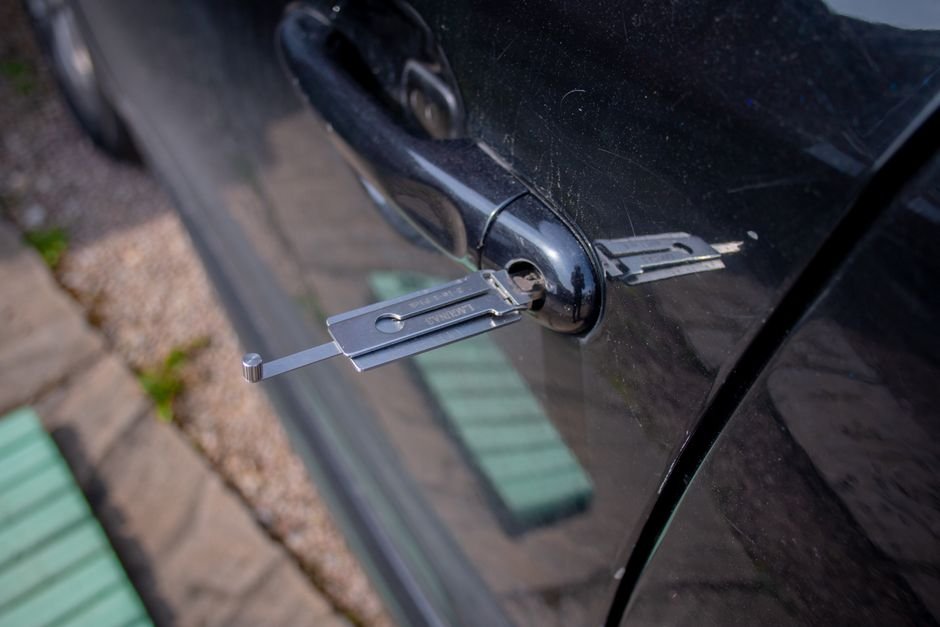
For more advanced car locks, particularly those with wafer tumblers or sidebar mechanisms, locksmiths use specialized tools like decoder picks or Lishi tools. These tools are designed to not only pick the lock but also to decode the lock’s internal structure, allowing the locksmith to cut a new key if necessary.
- Lishi Tools: These are highly precise 2-in-1 tools that combine a pick and a decoder. They allow the locksmith to pick the lock while simultaneously reading the key cuts, making them incredibly efficient for many modern car locks.
4. Electronic Bypass Tools
With the advent of sophisticated electronic locking systems, keyless entry, and transponder keys, locksmiths have also adapted by using electronic bypass tools. These tools can often communicate with the car’s onboard computer (ECU) to disarm the immobilizer or unlock the doors.
- Diagnostic Tools: Similar to those used by mechanics, these tools can sometimes access the car’s central locking system to command it to unlock.
- Key Programming Devices: If a key is lost, a locksmith might be able to program a new transponder key or remote fob to the vehicle, effectively bypassing the need to pick the physical lock. This often requires access to the car’s OBD-II port.
5. Air Wedges and Pump Wedges
These are inflatable bags inserted between the car door frame and the door. Once inflated with a hand pump, they create a small, controlled gap without damaging the paint or frame. This gap then allows the insertion of rod tools or other unlocking devices.
6. Jiggler Keys
Jiggler keys (also known as try-out keys) are a set of master keys that have various common key cuts. A locksmith will try different jiggler keys in the lock, wiggling and jiggling them, hoping that one of them will align enough of the pins to turn the cylinder and unlock the door. This method is more effective on older, less secure locks.
7. Impressioning
Impressioning is a highly skilled, non-destructive method where a blank key is inserted into the lock and turned with tension. The pins inside the lock leave tiny marks (impressions) on the blank key. The locksmith then files down these marked areas, reinserts the key, and repeats the process until the key perfectly matches the lock’s internal mechanism and opens it. This is a time-consuming but very effective method for creating a working key without taking the lock apart.
The Locksmith’s Process: A Step-by-Step Guide
When you call a professional locksmith for a car lockout, they typically follow a systematic approach to ensure efficiency and minimize potential damage.
Step 1: Initial Assessment and Information Gathering
Upon arrival, the locksmith will first gather information about your situation. This includes:
- Vehicle Information: Make, model, and year of your car. This helps them anticipate the type of locking mechanism and which tools will be most effective.
- Lockout Scenario: Are the keys inside? Were they lost? Is there a problem with the lock itself?
- Security Features: Any special security features your car might have (e.g., aftermarket alarms, advanced immobilizers).
Step 2: Tool Selection
Based on the assessment, the locksmith will select the appropriate tools for the job. For an older car with manual locks, they might start with lock picks or jiggler keys. For a newer vehicle, an air wedge and a long-reach tool might be the first choice. For a sophisticated electronic system, they might prepare their electronic bypass tools.
Step 3: Creating Access (if needed)
If using rod tools, the locksmith will carefully create a small, safe opening between the car door and the frame. This is typically done with a non-marring wedge tool, or an inflatable air wedge, to avoid scratching the paint or bending the door. They will ensure the gap is just wide enough to insert their tools.
Step 4: Manipulating the Locking Mechanism
This is the core of the process and varies greatly depending on the chosen method:
- Using a Rod Tool: The locksmith will insert the long-reach tool through the created gap and carefully maneuver it to press the unlock button on the door panel, pull the interior door handle, or manipulate the door’s locking linkage directly. This requires a steady hand and a good understanding of the car’s interior layout.
- Lock Picking: If picking the lock, the locksmith will insert the tension wrench and then use various picks to manipulate the lock’s pins until they are aligned, allowing the cylinder to turn.
- Lishi Tool Usage: For compatible locks, the Lishi tool will be inserted, and the locksmith will use its pick and decoder functions to simultaneously pick the lock and read its key cuts.
- Electronic Bypass: If the issue is electronic, the locksmith might connect a diagnostic tool to the car’s OBD-II port to interface with the vehicle’s computer and command the locks to open or program a new key.
Step 5: Verification and Testing
Once the door is open, the locksmith will usually verify that the car’s locking system is still functioning correctly. If a new key was made or programmed, they would test it to ensure it works reliably.
Step 6: Providing Advice and Payment
Finally, the locksmith may offer advice on preventing future lockouts, such as having a spare key. They will then process payment for their services.
Why Professional Locksmiths Are Essential
While the idea of trying to open a car door yourself might be tempting, especially with readily available online tutorials, it’s generally not advisable. Professional locksmiths offer several critical advantages:
- Expertise and Experience: They have extensive training and experience with a wide range of car makes and models, understanding their unique locking mechanisms.
- Specialized Tools: Locksmiths invest in high-quality, specialized tools designed to open car doors without causing damage. DIY attempts often lead to scratches, bent door frames, damaged wiring, or even broken windows.
- Non-Destructive Entry: Their primary goal is always non-destructive entry, preserving the integrity of your vehicle’s locking system and bodywork.
- Efficiency: Due to their experience and tools, they can typically resolve a lockout much faster than someone attempting a DIY solution.
- Insurance and Licensing: Reputable locksmiths are licensed and insured, providing peace of mind that you’re dealing with a professional service.
Attempting to force open a car door can result in costly repairs that far outweigh the cost of calling a professional locksmith. For instance, bending a door frame can compromise the door’s seal, leading to wind noise and water leaks, while damaging electrical components can affect windows, mirrors, or even the car’s central computer system.
FAQs
Q1: How long does it take a locksmith to open a car door?
A1: The time it takes can vary significantly based on the car’s make, model, year, the type of lock, and the locksmith’s experience. Simple lockouts on older vehicles might take only a few minutes. More complex electronic systems or situations requiring key programming could take 30 minutes to an hour, or even longer in rare cases. A professional locksmith will usually give you an estimated time upon arrival.
Q2: Can a locksmith open any car door?
A2: Generally, yes. Professional locksmiths are equipped with a wide array of tools and knowledge to handle almost any car lockout scenario, regardless of the vehicle’s age or security system complexity. They continuously update their skills and tools to keep pace with evolving automotive technology.
Q3: Will a locksmith damage my car when opening the door?
A3: A reputable and skilled locksmith aims for non-destructive entry. They use specialized tools and techniques designed to open your car door without causing damage to the paint, door frame, window, or internal mechanisms. While minor cosmetic scuffs are rare but possible, significant damage is highly unlikely if you choose a professional. DIY attempts, however, carry a very high risk of damage.
Q4: What information will the locksmith need before opening my car?
A4: To ensure they are opening the correct vehicle and to verify ownership, locksmiths typically ask for proof of vehicle ownership (e.g., registration, insurance card) and a photo ID. They will also need the car’s make, model, and year to prepare the right tools and techniques.
Q5: Is it more expensive to call a locksmith for a car lockout at night?
A5: Yes, emergency services, including locksmith services, often have higher rates during off-hours, weekends, and holidays. This is due to increased operational costs for providing 24/7 availability. It’s always a good idea to ask about their pricing structure when you call for assistance.
Q6: Can a locksmith make a new car key if I’ve lost all of them?
A6: Yes, many automotive locksmiths can make new keys even if you’ve lost all your originals. This often involves cutting a new key based on the car’s VIN or lock codes, and then programming a transponder chip (if applicable) to work with your car’s immobilizer system. This process is more involved and typically more expensive than simply unlocking a door.
Conclusion
The next time you find yourself locked out of your vehicle, you’ll have a much clearer understanding of “how locksmiths open car doors explained.” It’s a precise and skilled profession that combines traditional craftsmanship with modern technological expertise. From carefully manipulating lock pins and linkages to employing advanced electronic bypass tools, locksmiths are equipped to handle a vast array of car locking systems safely and efficiently. Their ultimate goal is to provide non-destructive entry, getting you back into your car without causing any damage.
While the temptation to try a DIY solution might arise, remember that professional locksmiths possess the specialized tools, training, and insurance necessary to do the job right. Attempting to force entry yourself can lead to costly repairs for bent door frames, scratched paint, or damaged electrical components. Therefore, when faced with a car lockout, the smartest and safest course of action is always to contact a certified and reputable automotive locksmith. They are your best resource for a swift, damage-free resolution, ensuring your vehicle’s security and integrity remain intact.